How to Tell If an Auto Body Shop Did Quality Work (Before You Drive Off the Lot)
Quality Auto Body Work
Sean Corey
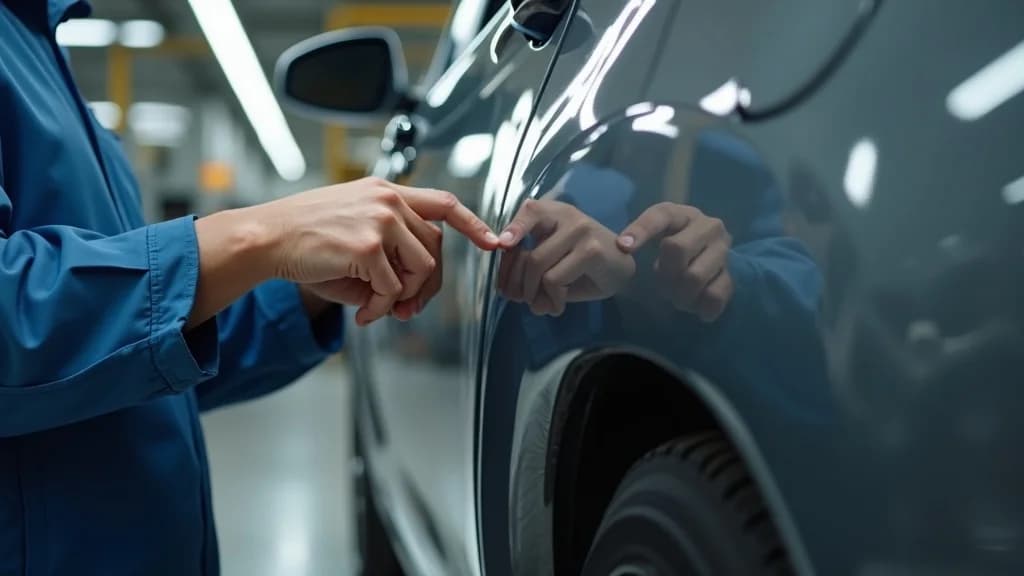
**Did you know that studies show nearly two out of five vehicles leave auto body shops with undetected flaws—posing serious risks to both your safety and your investment?** If your car just underwent collision repair, ensuring quality isn’t just about flawless paint—it's about safeguarding your vehicle’s function, its value, and your peace of mind. This article will reveal simple, professional strategies to verify that your auto body shop delivered top-notch work, all before you drive off the lot.
Startling Facts: Why Auto Body Shop Quality Work Matters for Safety and Value
Auto body shop quality work is about far more than aesthetics or a shiny finish. Many drivers overlook the significant safety implications tied directly to proper collision repair. Undetected flaws like poorly aligned panels, hidden frame damage, or miscalibrated electronic systems can compromise everything from airbag deployment to long-term durability. After a major collision or even a minor fender bender, quality repairs ensure your vehicle’s critical safety features work as designed and preserve its resale value.
Modern vehicles are built with advanced technology and intricate electronic systems that require precise repair methods. Using original equipment parts and certified technicians, a reputable auto body shop can restore your car to top condition. However, errors during panel replacement, paint application, or reassembly could go unnoticed until a safety issue arises. That's why it's crucial to evaluate completed auto body work—ensuring your vehicle, and everyone inside it, remains protected before you return to the road.
**What You'll Learn About Spotting Auto Body Shop Quality Work**
* How to visually inspect your vehicle post-collision repair
* Key questions to ask your auto body shop beyond the invoice
* How to verify if certified technicians performed your repair
* Common pitfalls even reputable collision repair shops can overlook
* Expert tips for dealing with your insurance company after repairs
**The Essential Collision Repair Checklist: Signs of Auto Body Shop Quality Work**
Ensuring your auto body shop provided quality repairs starts with a thorough in-person inspection. Even after receiving a completion notice and favorable invoice, it’s up to you—the car owner—to check for both visible and hidden problems. Smart car owners always complete a detailed checklist before accepting their vehicle from the repair shop. Here are key signs to look for:
* Panel alignment and even gaps
* Consistent paint color and finish
* No overspray on non-repaired areas
* Electronic systems functioning correctly
* No warning lights or error codes
* Clean interior and exterior post-repair
A good collision repair shop will prioritize not just speedy service, but a meticulous attention to detail that evidence itself in every aspect of your car’s fit and finish. A proper inspection covers body panels, paint quality, glass, interior, and as much of the undercarriage as is visible. Expert repair facilities consistently deliver vehicles in excellent condition, free from cosmetic defects or overlooked electronic issues.
Inspection Area | What to Look For | Why It Matters |
|---|---|---|
Body Panels | Smooth joints, aligned edges | Indicates precise collision repair |
Paint | Uniform color, no drips | Reflects attention to detail |
Glass | No cracks/chips, sealed properly | Prevents leaks and structural issues |
Interiors | No dust, tools, or old parts left | Represents repair shop professionalism |
**How Auto Body Shops Guarantee Their Quality Work**
A reputable auto body shop should confidently guarantee its offering of repair services. This assurance often comes from employing highly trained, certified technicians and providing comprehensive repair shop warranties. Checking for certifications and asking about the extent of warranty coverage can reveal whether a collision repair shop stands behind its quality repairs.
Some shops specialize in using original equipment parts and advanced technology for precise diagnostics and calibrations. These practices aren’t just about performing quality work—they also mean that the auto body shop is prepared to rectify mistakes or adjust repairs if anything falls short of your expectations after delivery. Ask to see documentation of all repair steps and confirmation that repairs were completed with new original equipment parts when needed.
**Certified Technicians and Their Role in Collision Repair**
Certified technicians are essential to collision repair quality. They undergo rigorous training to work with specific makes, models, and technologies—ensuring your vehicle’s complex systems are restored to manufacturer standards. When a repair shop employs technicians with I-CAR, ASE, or vehicle manufacturer certifications, you can trust the shop specializes in providing genuine quality. Always ask if certified technicians handled your panel replacement and other repairs, and don’t hesitate to request proof of certification or training credentials.
Additionally, certified technicians know how to work with original equipment and parts, ensuring repairs are no accident but a product of skill and attention to detail. Their expertise extends to safe dent repair, ensuring structural integrity, and handling the advanced electronic calibrations modern cars demand. Partnering with a certified collision repair shop raises your confidence that your vehicle is truly “as good as new” when you pick it up.
**Repair Shop Warranties and What They Really Cover**
Not all repair shop warranties are created equal. A trustworthy collision repair shop offers written guarantees covering both labor and parts. Their warranty should state how long coverage lasts and exactly what is included—such as paint, parts, labor, and possible adjustments if hidden damage emerges. **Ask the shop directly: “Is my paint finish, panel replacement, and all installed equipment parts covered by warranty?
Comprehensive warranties may also specify required maintenance or inspection intervals (sometimes tied to the 30-60-90 rule) to keep coverage valid. Read all documents carefully and ensure you have clear contact information for post-repair issues—like a dedicated customer support number or after-hours help line. Knowing you can call for support if concerns arise offers both protection and peace of mind.
**Working with Insurance Companies: Ensuring Quality in Auto Body Shop Repairs**
Your insurance company plays a significant role in your auto body repair journey, but their recommended repair facilities may not always align with your quality expectations. Remember, repairs are no accident: you have the right to choose any certified collision repair shop, not just participating locations on your insurer’s list.
"It's your right to choose any auto body shop for your repairs, not just the ones your insurance company recommends." – Industry Expert
To ensure quality, proactively communicate with both your collision repair shop and insurer throughout the process. Request a full estimate with details about original equipment parts, labor, and the equipment used. If you have concerns about the completed work, document any issues and reference your insurance policy’s stipulated quality guarantees. If you suspect corners were cut, call your insurance company's customer support number and advocate for a post-repair inspection or second opinion before accepting the repairs.
After your repairs, request confirmation from the auto body shop that all systems function correctly and that no warning lights are present. Some repair shops offer online appointments for post-repair checks—an offering of repair facilities that’s both convenient and demonstrates customer support.
**Major Red Flags: When to Question Auto Body Shop Quality Work**
There are some unmistakable red flags that indicate subpar collision repair or lack of attention to detail at a repair shop. Don’t ignore these signs—address them before you drive your car off the lot:
* Visible dents or uneven surfaces after repairs
* Misaligned doors, hood, or trunk
* New warning lights illuminated
* Unexplained delays or lack of documentation
If you notice any of these issues, ask the shop for a full walk-around and explanation. Sometimes, even reputable auto body shops miss small details, such as mismatched paint, overspray, or forgotten debris in the trunk. Unaddressed warning lights or malfunctioning systems can signal incomplete diagnostics or errors during the repair, so always check your dashboard carefully before accepting the vehicle. Choosing a shop with responsive customer support and a solid offering of repair guarantees helps prevent future headaches and stress.
Get an up-close, step-by-step visual walkthrough from a certified auto body technician. This demonstration covers panel alignment, paint consistency, checking that electronic systems work and watching for dashboard warning lights—essential steps for ensuring you received quality repairs. Whether you’re picking up your vehicle after a collision repair or dent repair, a systematic inspection with this guide can make all the difference.
**Frequently Asked Questions on Auto Body Shop Quality Work**
**What is the $3000 rule for cars?**
Answer: The $3000 rule is a guideline for determining if repairs on a damaged car are worth more than the total value of the car itself. If the cost of collision repair or auto body work approaches or exceeds $3000, some insurance companies consider the vehicle a potential total loss.
**What is the highest paying job in auto body?**
Answer: While repair shop technicians and auto body specialists can earn solid incomes, collision repair shop managers or certified technicians with advanced skills and management duties are typically among the highest paid in the industry.
**What is the 30-60-90 rule for cars?**
Answer: The 30-60-90 rule refers to recommended mileages for regular auto maintenance checks — at 30,000, 60,000, and 90,000 miles — including inspections that ensure quality work after repairs.
**What is the crappiest car of all time?**
Answer: While opinions vary, cars like the Yugo, Pontiac Aztek, and Ford Pinto are frequently cited as examples of poor design or reliability, highlighting the importance of effective collision repair and auto body shop quality work.
**Key Takeaways: Ensuring Auto Body Shop Quality Work Before Hitting the Road**
* Always inspect your vehicle thoroughly before leaving the repair shop
* Don't hesitate to question the auto body shop about their repair methods and warranties
* Working with certified technicians enhances the quality of collision repair
* Understand your insurance company’s role but exercise your right to choose the repair shop
**Ready to Secure Truly Quality Work? Schedule an Independent Inspection with a Certified Expert Today**
Before driving away, take control of your car’s safety and value. Book an independent vehicle inspection from a certified pro—ensure every aspect of your auto body shop quality work meets the highest standards, and get the peace of mind you deserve on the road ahead.